AI camera & KVKK: 5 things to know about anonymous counting
AI camera and KVKK: what a non-recording AI camera that identifies no one lightens for anonymous people counting, and what still needs care.
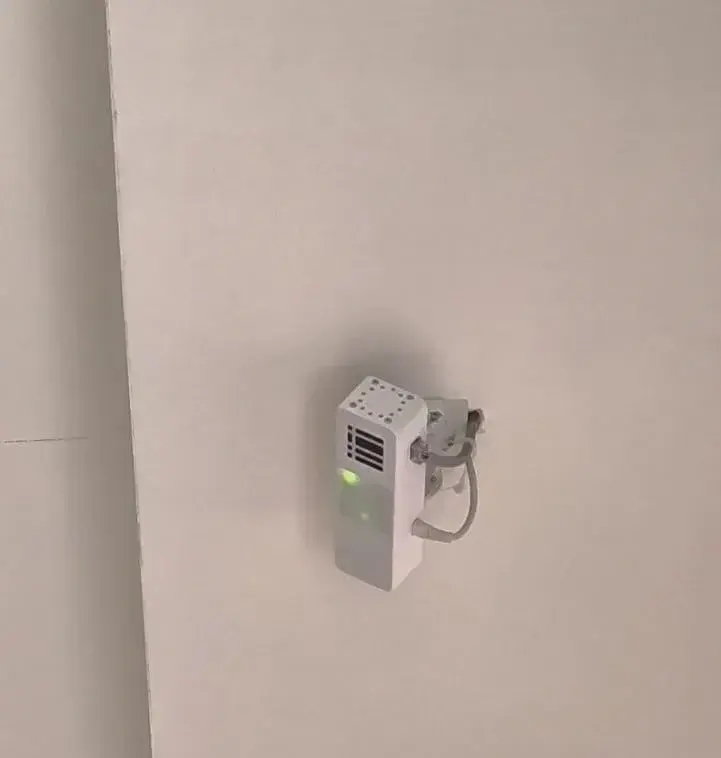
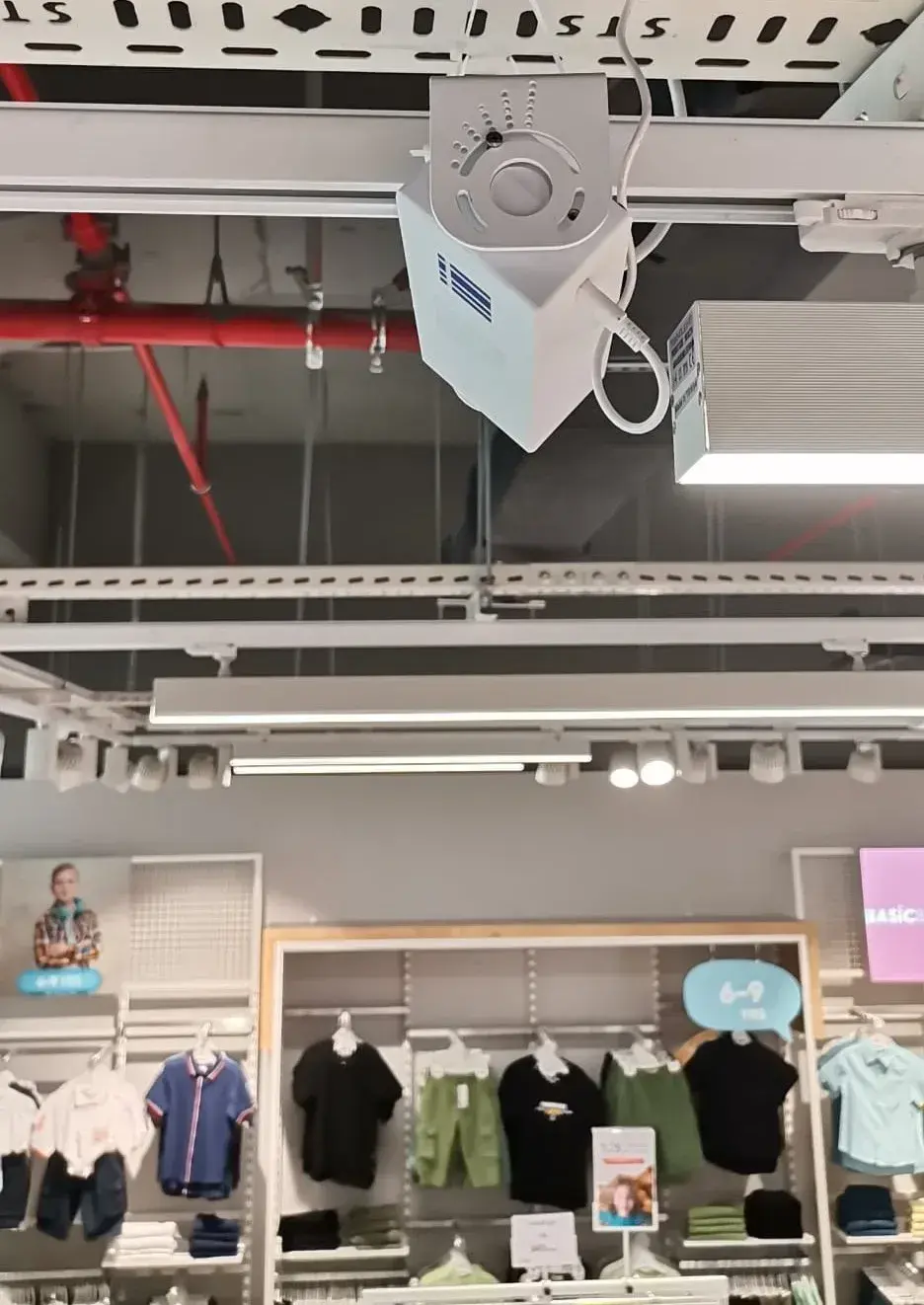
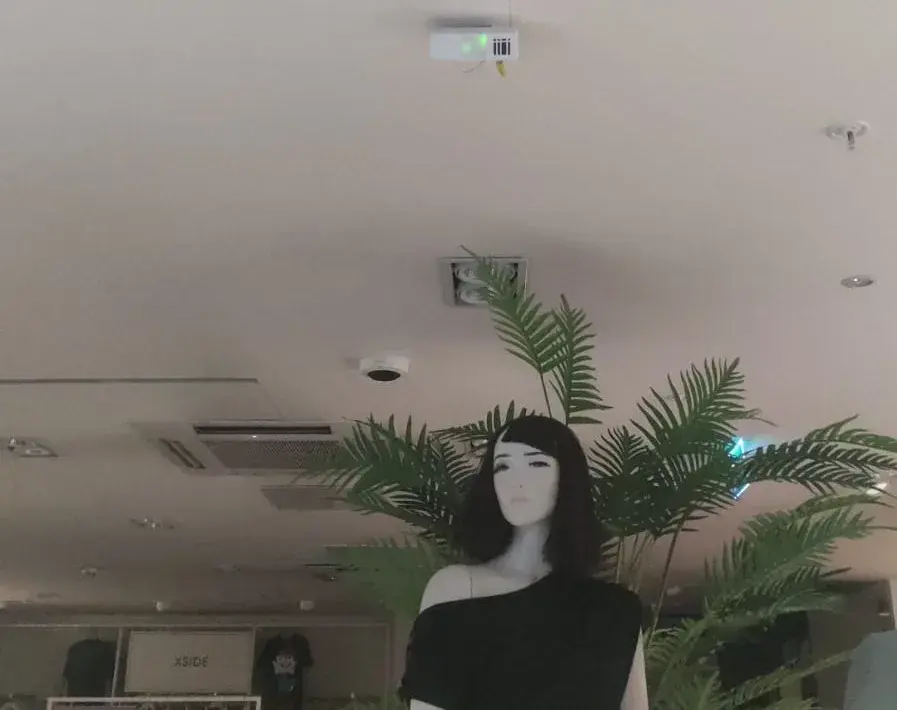
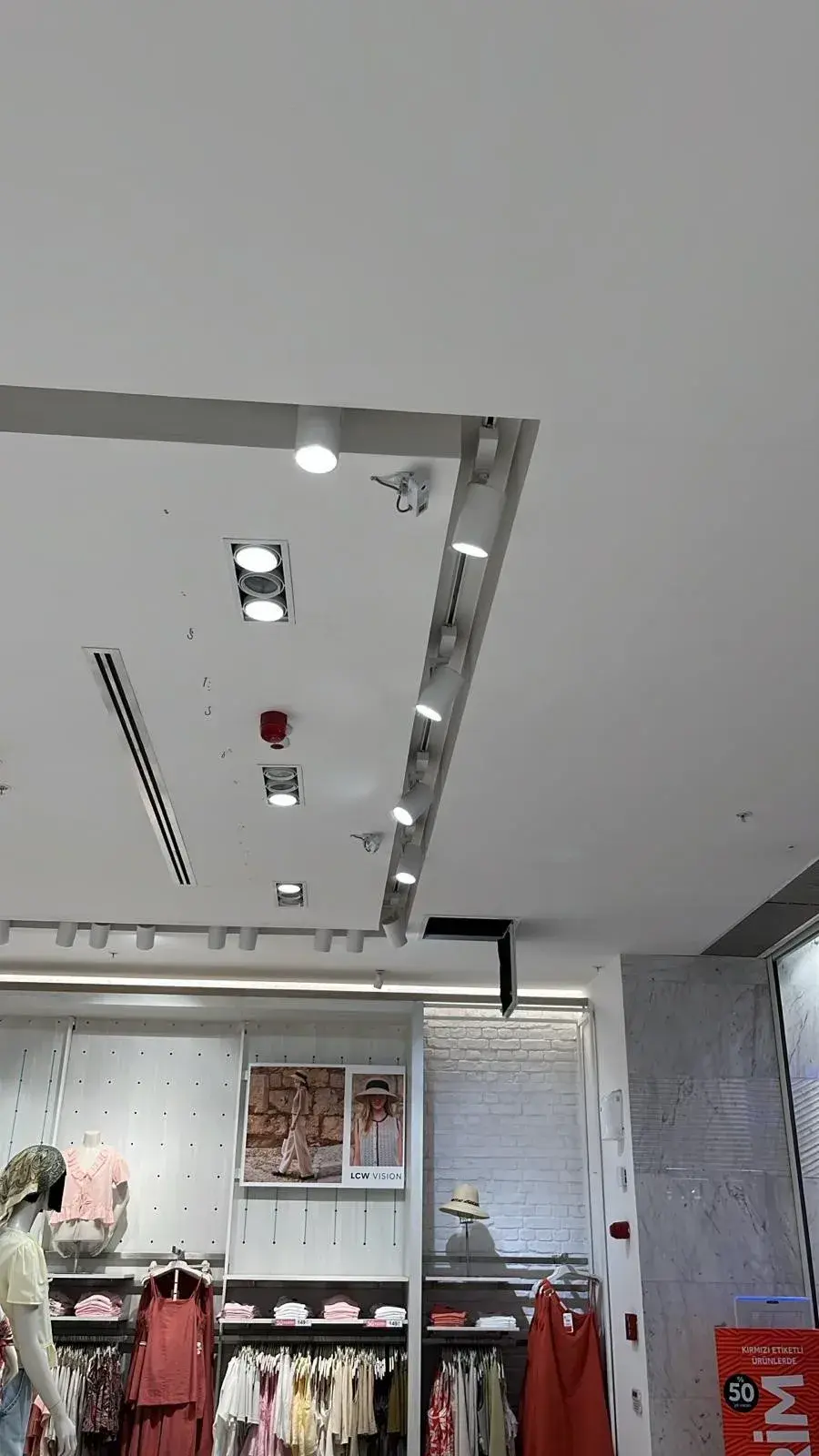
Anonymous people counting means measuring the people who enter as an aggregate number, without identifying anyone. The Sayiyo PEOPLE people counter counts people entering with an AI camera. Images are processed only on the device; no frame is recorded or stored. The only output is an anonymous count of entries. This design removes many risks from the outset, but camera use still warrants a review under KVKK (Türkiye’s personal data protection law). Below we summarise five key points. This article is not legal advice.
Data flow: what goes from the camera to the dashboard?
- The camera views the door from above; images are processed only inside the device.
- The device counts the entries that cross the counting line at the door; images are not recorded, stored or sent to the dashboard.
- Only anonymous, aggregate entry counts reach the dashboard, in periods of about 10 minutes.
- The system performs no person or face recognition and derives no attributes such as age or gender.
1. No footage, no identity
The system does not recognize individuals or match anyone to an identity. Because images never leave the device, the retention and access processes specific to camera footage do not arise. This is the fundamental difference from a security camera: there is no video to watch, keep or share.
- Purpose: a security camera exists to record events; a counting camera only produces an entry count.
- Recording: a security camera stores footage; Sayiyo PEOPLE records no frames.
- Viewers: authorised people watch security footage; with a counting camera there is nothing to watch.
- Output: a security camera produces video; a counting camera sends only an anonymous, aggregate number to the dashboard.
2. Aggregate counts only, no profiles
The system derives no personal attributes; it produces only aggregate, anonymous entry counts. There is no repeat-visitor identification, no demographic analysis and no individual tracking. Even so, camera use warrants a KVKK review; a privacy notice and purpose limitation matter. The system was designed with KVKK in mind, but you still need to assess your own processes with your legal team.
3. Inform your visitors
Visibly letting people know that anonymous counting takes place at the entrance is good practice for both transparency and trust. A short, clear notice is enough: anonymous people counting takes place at the door, no images are recorded and no one is identified. A sample text could read: “Anonymous people counting is used at this entrance to measure visitor numbers. No images are recorded and no one is identified. See our privacy notice for details.” Agree the final wording with your legal team and place the notice at the entrance, where visitors can easily see it.
4. Dashboard access and permissions
Even without personal data, branch performance is commercially sensitive. Use user roles to decide who sees which store’s data, and remove access for people who leave. The Sayiyo visitor analytics dashboard supports user roles. If you pass the data to your own systems via API or webhook, apply the same access rules there too.
5. Retention period and supplier contract
How long anonymous counting data is kept, what it is used for and the supplier’s role should be clear in the contract. Dashboard access permissions, the data retention period and the supplier contract should be reviewed together with your legal team. Stating explicitly in the contract that the device records no images and sends only anonymous counts to the dashboard also makes later audits easier. You can find Sayiyo’s own notice on the data protection page.
Sayiyo PASS and privacy
The Sayiyo PASS storefront counter, which measures traffic in front of the store, is a radar sensor and captures no images; only anonymous passing and direction are measured. Used with PEOPLE, it gives you the visit rate.
To make your review easier, here is what Sayiyo does not do:
- It does not record images or video, and it does not send images to the dashboard.
- It does not perform person or face recognition or match anyone to an identity.
- It does not estimate age, gender or any other demographic attribute.
- It does not identify repeat visitors or track people across stores.
Checklist for a KVKK review
- Is it documented whether the device records images and whether images leave the device?
- Has it been confirmed that no person or face recognition takes place?
- Is there a visible notice at the entrance?
- Does the privacy notice state the purpose of counting clearly?
- Are dashboard users and roles defined?
- Have the retention period and supplier contract been reviewed with your legal team?
We explain how to weigh privacy against the other criteria when choosing a device in how to choose a people counter.
Frequently asked questions
Does Sayiyo PEOPLE have a camera?
Yes. Sayiyo PEOPLE counts with an AI camera with a 120° field of view, mounted above the door. Images are processed on the device and turned into an anonymous entry count only; no footage is recorded and nobody is identified.
How was the system designed with KVKK in mind?
Images are processed on the device and not recorded, and only anonymous, aggregate counts reach the dashboard. Even so, camera use needs to be assessed against your own processes.
What happens if the internet drops?
Counting doesn’t stop. The device keeps the anonymous count data for up to 20 days and sends it to the dashboard when the connection returns; no images are recorded during that time either.